

A small door hardware choice makes a big daily difference. Wrong placement makes your door hit furniture or fail to stay open. This guide compares wall-mounted and floor-mounted door stops, shares precise positioning tips, and helps you avoid common mistakes. IISDOO offers quality door stops and installation accessories for both methods.
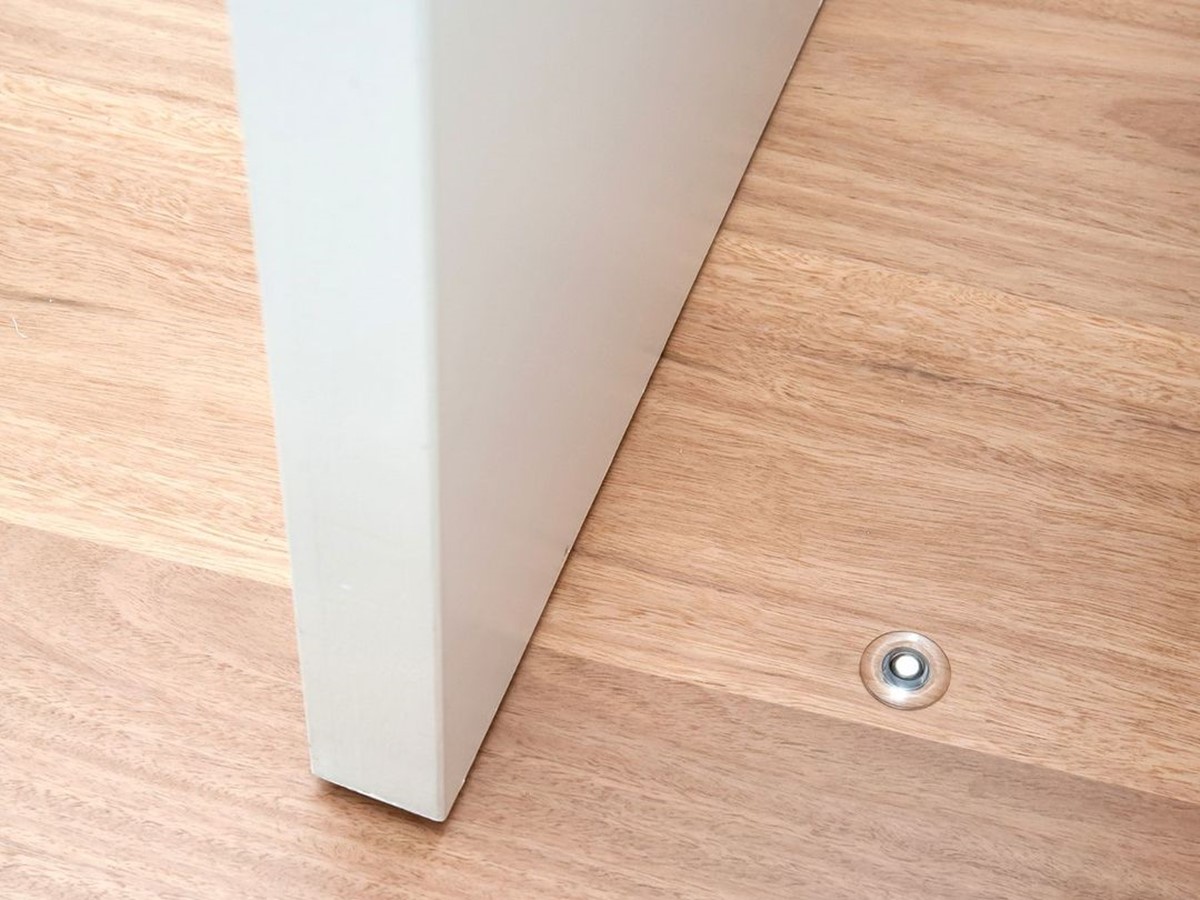
Part 1: Wall-Mounted vs. Floor-Mounted – Core Comparison
| Feature | Wall-Mounted | Floor-Mounted/ |
| Position | Baseboard or wall | Floor |
| Magnet direction | Horizontal | Vertical |
| Pros | No floor obstruction, easy cleaning | Stronger hold, suits heavy doors |
| Cons | Requires solid wall; may stick out | Slightly harder to clean floor around |
| Best for | Standard interior doors, narrow hallways | Solid wood doors, glass doors, entry doors |
Part 2: Wall-Mounted Door Stop – Positioning & Installation
Positioning rules:
Place the stop on the handle side lower corner of the door (avoid hitting the door handle).
Distance from stop center to door edge = 50-80 mm (depends on model).
4-step positioning:
Open door fully to desired angle (typically 90° or 105°).
Mark the contact point on the bottom edge of the door.
Use a level to transfer that point vertically to the wall. Height from floor: 100-150 mm.
Check that the door handle won’t hit the stop when closing.
Installation:
Drill hole, insert anchor, screw base.
Attach the catch to the door (if two-piece design).
Common mistakes: Wrong height (hits handle), misaligned catch (weak hold), drilling into hidden wires.
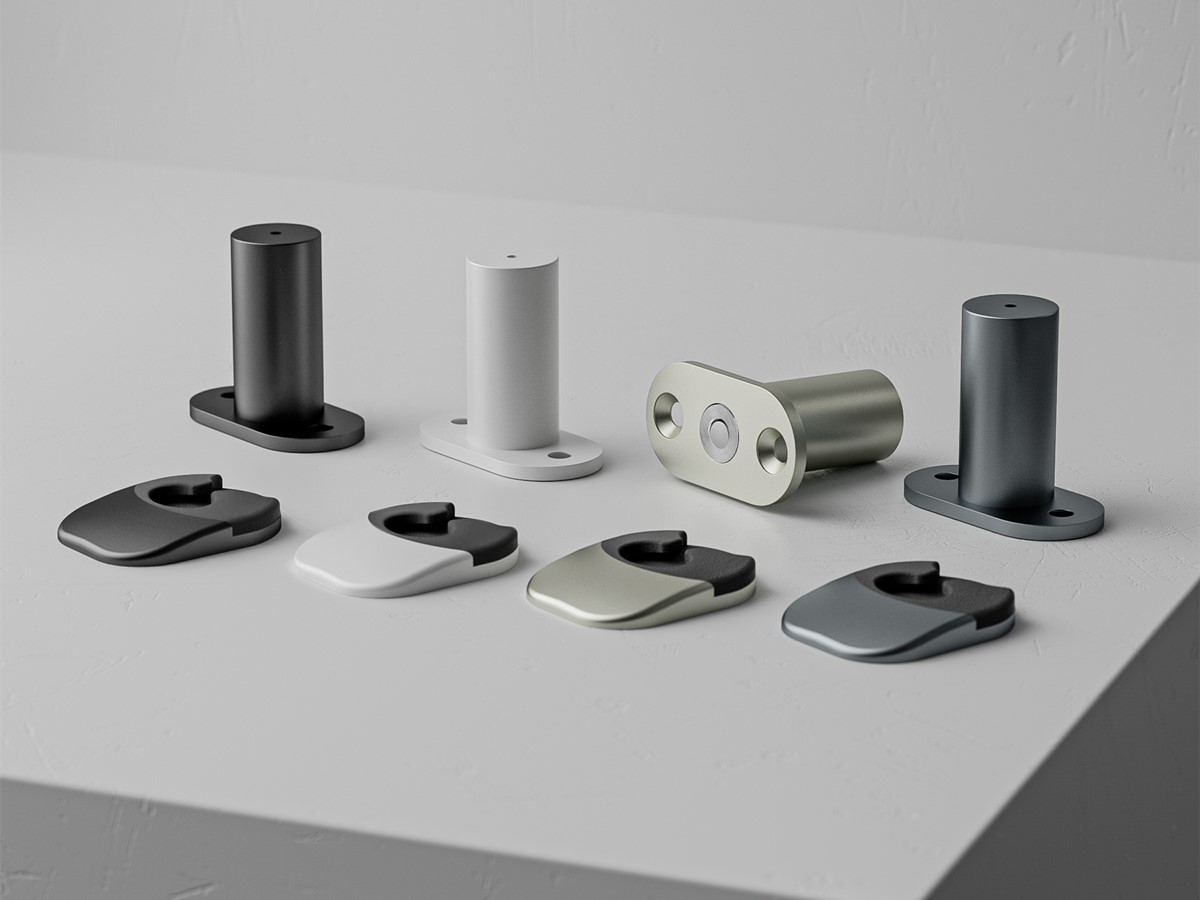
Part 3: Floor-Mounted Door Stop – Positioning & Installation
Positioning rules:
Install at the bottom corner of the door’s open side.
Simplified method: with door fully open, mark the midpoint of the door’s bottom edge on the floor.
3-step positioning:
Open door to final position, trace bottom edge line on floor.
Move 30-50 mm inward (toward door center) to avoid direct edge impact.
Ensure the base sits level.
Installation:
Clean floor, mark drill points.
Use appropriate drill bit (tile or wood).
Insert anchors, screw base, then attach door catch.
Special notes: Avoid drilling into underfloor heating. For solid wood floors, use a base plate to distribute pressure. In bathrooms, choose stainless steel.
Part 4: Special Scenario Positioning Tips
| Scenario | Recommended Type | Positioning Tip |
| Door with furniture behind | High wall-mounted (1.2 m above floor) | Needs longer catch plate on door |
| Narrow hallway (<900 mm) | Floor-mounted | Wall type may trip people |
| Wet bathroom | Stainless steel wall or floor mount | Keep out of direct water splash |
| Glass door | Adhesive-type floor mount | No drilling, use strong adhesive |
| Heavy solid wood door | Dual stops (wall + floor) | Calibrate both positions carefully |
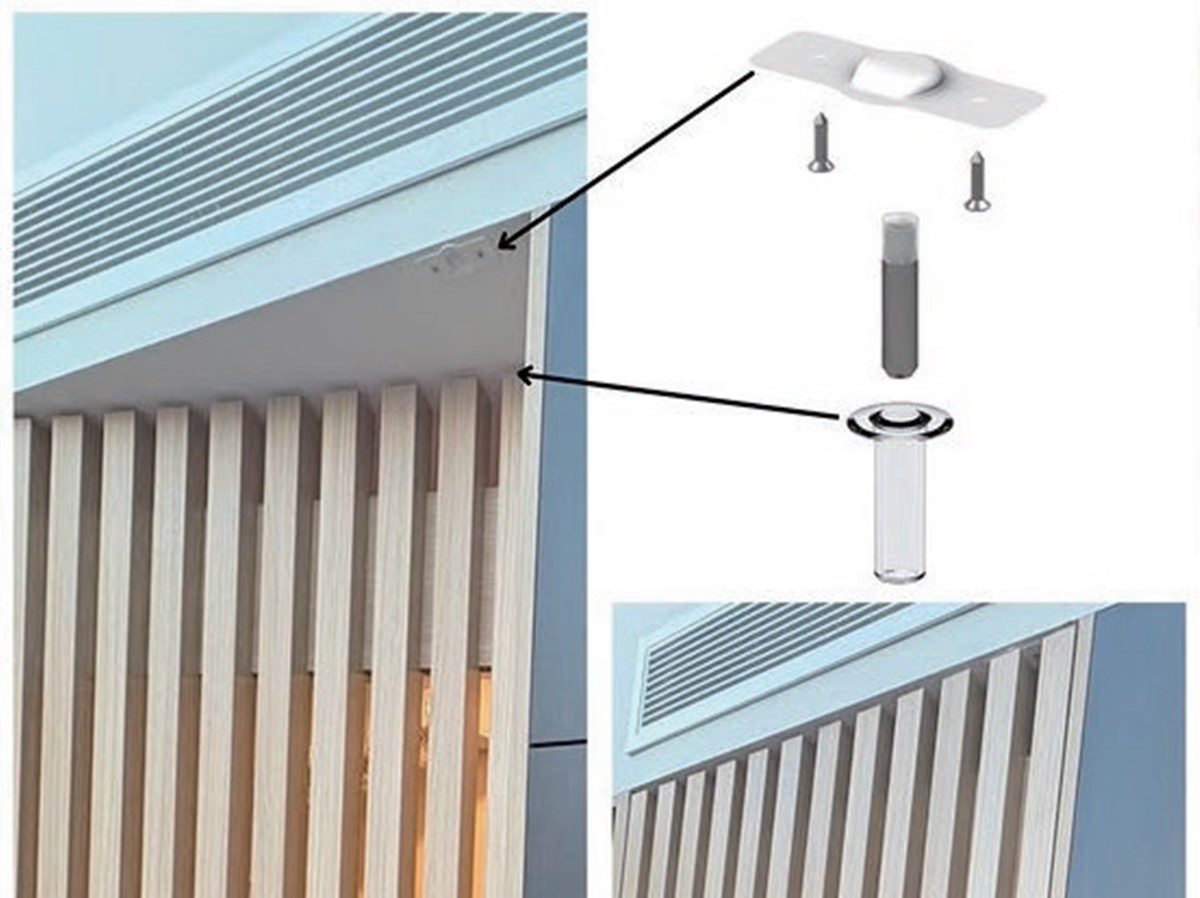
Part 5: Common Installation Errors & Fixes
| Symptom | Cause | Fix |
| Door won’t stay open | Catch misaligned | Loosen screws, realign, or add shim |
| Door bounces back | Magnet direction off | Check that mounting surfaces are perpendicular |
| Loud noise | No cushion | Replace with silicone-padded stop (IISDOO) |
| Loose stop | Anchor not gripping | Use longer screws or inject wood glue |
Frequently Asked Questions (FAQ)
Q1: Should a wall stop be installed on the baseboard or above it?
If the baseboard is thinner than 15 mm, you can mount directly on it. Otherwise, mount on the wall above – the door catch may otherwise not reach.
Q2: Will a floor-mounted stop damage my waterproofing?
Drilling too deep in a bathroom can penetrate the membrane. Pre-embed a wood block during tiling, or use adhesive-type floor stops.
Q3: What is the standard height for a wall-mounted door stop?
Typically 100-150 mm from the floor. High-mount (1.2 m) is used only to avoid furniture – then the door needs a longer catch plate.
Q4: How do I avoid hitting the door handle?
Before drilling, fully open the door and observe the handle’s arc. Position the stop away from that arc.
Q5: Do IISDOO door stops lose magnetism over time?
IISDOO uses sintered neodymium magnets – less than 5% magnetic loss over 10 years. If hold weakens, you can adjust the gap via screws.
Q6: Can I replace an old door stop without re-drilling?
Fill old screw holes with wooden dowels and glue. Then use the new stop’s template to mark fresh positions. IISDOO stops include a paper positioning template.
Visit www.iisdoodesign.com for high-quality door stops and installation kits.
Post time: May-21-2026